
Pathology Lab

Pathology Lab & Blood Tests
in Nagpur

Enquiry Form

    View Reports

    Health Checkup

    Pathology Tests Available at New Delta Hospital, Nagpur

    Tests are advised by your doctor according to your symptoms and condition. The groups below show the kind of investigations a hospital pathology laboratory supports.


    01

    Haematology

    Blood-cell and clotting studies.

    • Complete blood count (CBC)
    • ESR, peripheral smear
    • Coagulation profile (PT / INR)
    • Blood grouping & Rh typing

    02

    Clinical Biochemistry

    Chemical tests on blood and body fluids.

    • Blood sugar, HbA1c
    • Liver & kidney function tests
    • Lipid profile, electrolytes
    • Vitamin and thyroid tests
     

    03

    Clinical Pathology

    Routine examination of urine and stool.

    • Urine routine & microscopy
    • Stool routine examination
    • Body-fluid analysis
    • Pregnancy test

    04

    Microbiology

    Finding the germ and the right antibiotic.

    • Blood & urine culture
    • Culture and sensitivity
    • Gram stain, AFB smear
    • Swab and pus culture

    05

    Serology & Immunology


    Antibody and infection-marker tests.

    • Dengue, malaria, typhoid tests
    • Hepatitis & HIV screening
    • CRP, RA factor
    • Other infection markers

    06

    Cardiac & Emergency Markers

    Tests that guide urgent decisions.

    • Cardiac markers
    • Blood gas & electrolytes
    • Kidney & sugar emergency panels
    • Cross-match for transfusion

    07

    Histopathology

    Microscopic study of tissue samples.

    • Biopsy examination
    • Surgical specimen reporting
    • Frozen section (if available)
    • Specialist pathologist opinion

    08

    Cytology

    Examination of cells from fluids or lumps.

    • FNAC of lumps
    • Pap smear
    • Fluid cytology
    • Smear examination

    About Our Pathology Department in Nagpur

    Pathology is the study of disease through the examination of blood, urine, body fluids and tissue. A large part of every diagnosis — from a simple fever to cancer — depends on an accurate laboratory report. The pathology laboratory at New Delta Hospital supports every department of the hospital, including OPD, emergency, ICU, operation theatres and in-patient wards.

    Because the laboratory is part of the hospital, test results are shared directly with the treating team. This helps doctors make decisions quickly in emergencies and gives OPD patients a single place for consultation, testing and follow-up.

    Our aim is that every patient understands why a test is advised, how to prepare, when to expect the report and what the result means for the next step in care.


    Understanding Your Pathology Report

    A report is one part of the picture. Your doctor reads it together with your symptoms and examination.


    Reference Ranges

    Each result is shown against a normal range, which can vary with age, sex and the method used.


    Flagged Values

    A value outside the range is flagged, but it does not always mean disease. Your doctor will explain.


    Discuss With Your Doctor

    Do not start or stop medicines based on a report alone. Book a consultation to discuss the result.


    Repeat & Follow-up Tests

    Some conditions need repeat testing over time to track progress or response to treatment.


    Report Timing

    Routine tests are generally reported sooner than cultures or biopsies, which need more processing time.


    Keep Your Records

    Keep all reports together and carry them to every doctor visit for comparison.


    Need help understanding your report? Consult a physician at New Delta Hospital.

    Quality, Safety and Reliable Reporting

    A report is only useful if it is accurate and reaches the right person. Our laboratory follows written procedures from sample identification to final reporting, subject to the tests and facilities available.

    Patient Identification & Labelling

    Samples are identified and labelled at the time of collection to reduce the risk of mix-ups.

    Trained staff collect samples using single-use needles and containers, following hygiene and biomedical-waste procedures.

    Tests are run using written procedures, with routine checks on instruments and results before a report is released.

    Tissue and smear examinations are reviewed by a pathologist, and results that need attention are communicated to the treating doctor.

    Your reports are your personal health information. They are shared only with you, your authorised representative and your treating team.

    How to Prepare for Your Test

    General tips only. Always follow the specific instructions given by your doctor or the laboratory staff.


    Meet Our Pathology Team

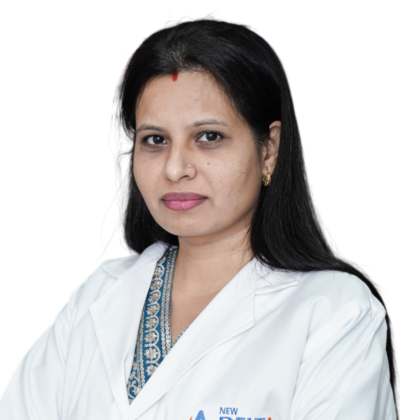
    Pathology consultants review smears and tissue samples and guide the laboratory. Your treating physician will explain the results to you.


    Frequently Asked Questions

    1. What is pathology and why are pathology tests needed?

    Pathology is the study of disease through the examination of blood, urine, body fluids and tissue. Pathology tests help doctors find the cause of symptoms, confirm or rule out a diagnosis, monitor long-term conditions and check how well a treatment is working.

    Tests are usually done on a doctor’s request so that the right tests are chosen for your symptoms. If you are unsure which tests you need, book a consultation with one of our physicians first.

    Some tests, such as fasting blood sugar and lipid profile, usually need an 8 to 12 hour fast, while many others do not. Our staff will tell you the preparation required for the tests advised. Drinking plain water is generally allowed unless you are told otherwise.

    Reporting time depends on the test. Routine blood and urine tests are generally reported sooner than cultures or tissue (histopathology) examinations, which need more processing time. The reporting counter will tell you the expected time when your sample is collected.

    Do not stop any prescribed medicine on your own. Tell the doctor or the sample-collection staff about all the medicines and supplements you take, and follow the advice you are given for your specific test.

    Each result is shown against a reference range. A value outside the range is flagged, but it does not always mean disease. Reports should be interpreted by your doctor together with your symptoms and examination.

    New Delta Hospital provides 24×7 emergency, accident and trauma care with ICU facilities. Samples from emergency and admitted patients are handled on priority. For emergencies, call 838 108 1085 or 838 108 1086.

    Histopathology is the microscopic examination of a tissue sample, such as a biopsy or tissue removed during surgery, by a pathologist. It is advised when a doctor needs to understand the exact nature of a lump, ulcer, growth or other abnormal tissue.

    Yes. You can book an OPD consultation with the relevant specialist to discuss your reports and decide on the next steps. Please carry all earlier reports with you.

    Use the Book Appointment button on this page, fill in the enquiry form, or call 838 108 1085 / 838 108 1086. OPD hours are 9:00 AM to 9:00 PM.

    Need a test or help with your reports?

    Speak to our team at New Delta Hospital, Nagpur for guidance on tests, preparation and consultation.

     
    Prev
    Next

    Share Profile Via