
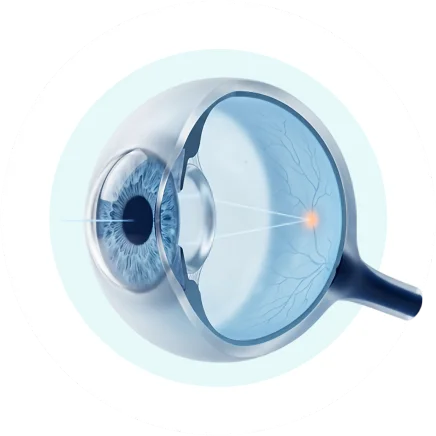
Ophthalmology

Ophthalmology & Eye Care
Hospital in Nagpur

Enquiry Form

    View Reports

    Health Checkup

    Eye Conditions We Evaluate and Treat in Nagpur

    From blurred vision to sight-threatening disease, our eye specialists examine the whole eye. Treatment is planned only after clinical examination and appropriate tests.

    01

    Cataract:

    Clouding of the natural lens causing blurred, foggy or glare-affected vision. Surgery is advised when it affects daily life..

    02

    Glaucoma:

    Raised eye pressure or optic nerve damage that can silently reduce vision. Early detection helps protect sight..

    03

    Diabetic Eye Disease:

    Diabetes can damage the retina without symptoms. Regular retinal examination allows timely treatment..

    04

    Retinal Disorders:

    Problems of the light-sensing layer of the eye, such as retinal tears, detachment and macular disease.

    05

    Dry Eye, Allergy & Infections:

    Burning, itching, redness, watering and discharge, including conjunctivitis and eyelid infections..

    06

    Refractive Errors & Squint:

    Short-sightedness, long-sightedness, astigmatism, presbyopia and squint, with glasses or lens advice..

    04

    Children’s Eye Problems:

    Vision screening, lazy eye, squint and early detection of problems that affect a child’s learning..

    05

    Eye Injury & Emergencies:

    Foreign body, chemical splash, blunt or penetrating injury and sudden vision loss, with trauma-centre support.

    06

    Eye Problems Linked to Other Illness:

    Eye changes from hypertension, thyroid disease, neurological or autoimmune conditions, managed with the relevant specialist.

    About Our Ophthalmology Department in Nagpur

    Ophthalmology is the branch of medicine that deals with the eye and vision. At New Delta Hospital, patients with eye symptoms can be examined by an eye specialist, advised on the tests needed and guided on whether medicines, glasses, laser or surgery is the right next step.

    Many eye conditions are linked to general health, including diabetes, high blood pressure and thyroid disease. Because eye care is part of a multispecialty hospital, patients benefit from coordination with physicians and other specialists, and from modular operation theatres and anaesthesia support when surgery is required.

    Your doctor will explain the diagnosis, the options available, the expected recovery and the possible risks in plain language, so that you can take an informed decision about your eyes.

    When Should You Consult an Eye Specialist?

    Early evaluation can prevent avoidable vision loss. Book a consultation if you notice:

    Blurred or Foggy Vision

    Difficulty reading, driving at night or seeing clearly even with glasses.

    Glare, Halos or Faded Colours

    Lights that seem too bright, rings around lamps or colours that look dull.

    Floaters or Flashes

    New black spots, cobwebs or flashes of light, especially if sudden.

    Diabetes or High Blood Pressure

    Even with good vision, regular retinal examination is advised.

    Red, Itchy or Watery Eyes

    Redness, discharge or irritation that lasts more than a few days.

    Child's Eye Concerns

    Squint, head tilting, frequent rubbing of eyes or poor school vision.

    Consult an eye specialist at New Delta Hospital to understand your symptoms and available treatment options.

    Facilities Supporting Eye Care at New Delta Hospital

    Eye care depends on careful examination, a sterile operation theatre and safe anaesthesia. Our facilities are connected under one roof, subject to each patient’s clinical needs.

    Modular Operation Theatres

    Modular OTs provide a controlled, clean environment for planned and emergency surgery, with anaesthesia support and post-operative monitoring.

    Depending on your symptoms, your doctor may advise tests such as:

    • Vision and refraction testing
    • Eye-pressure measurement
    • Slit-lamp and dilated retinal examination
    • Blood tests such as sugar levels, where relevant

    Diagnostic investigations and medical imaging can help assess bone and joint conditions, including injuries, arthritis and joint damage. The treating doctor determines which investigations are appropriate and uses the findings alongside clinical examination to guide treatment decisions.

    Round-the-clock emergency assessment, accident and trauma care, ambulance support and an in-house pharmacy.

    Physicians, diabetologists, anaesthetists and other specialists are available to coordinate care where an eye problem is linked to another condition.

    Hand hygiene, sterile instruments and clean-care practices protect the eye before, during and after procedures.

    Recovery and Aftercare Following Eye Treatment

    Recovery after eye surgery or treatment depends on the procedure and the condition of the eye. Following instructions on drops, hygiene and activity is an important part of a good result.


    Recovery time and outcomes differ from person to person and depend on the diagnosis, age and overall health. Your surgeon will explain realistic expectations.

    Meet Our Ophthalmology Team

    Consult our eye specialist at New Delta Hospital, Nagpur for professional evaluation and personalised eye care.

    1. When should I see an eye doctor (ophthalmologist) in Nagpur?

    See an ophthalmologist if you notice blurred or reduced vision, eye pain, redness that does not settle, flashes or floaters, double vision, watering or discharge, or difficulty seeing at night. Adults over 40, and people with diabetes or a family history of eye disease, should have regular check-ups even without symptoms.

    An ophthalmologist is a medical doctor who diagnoses and treats eye diseases and performs eye surgery. An optometrist tests vision and prescribes glasses or contact lenses. Both can be part of your eye-care team.

    Common signs include cloudy or foggy vision, glare from lights, faded colours, frequent changes in glasses power and difficulty seeing at night. Cataract usually develops slowly. An eye examination confirms the diagnosis and whether treatment is needed.

    Glaucoma usually causes no pain or early symptoms, while it slowly damages the optic nerve and side vision. Regular eye pressure checks and optic nerve examinations help detect it early, so treatment can be started to protect remaining vision.

    People with diabetes are advised to have a dilated retinal examination at least once a year, or as often as the doctor advises, because diabetic retinopathy can progress without symptoms. Good control of blood sugar and blood pressure also protects the eyes.

    Sometimes. Drops that widen the pupil let the doctor examine the retina and optic nerve properly. Vision may be blurred and sensitive to light for a few hours, so please avoid driving and bring sunglasses and an attendant if possible.

    Sudden loss of vision, a chemical splash, a penetrating injury or severe eye pain need urgent care. For a chemical splash, rinse the eye with clean running water for 15 minutes on the way to hospital. Do not rub the eye or apply any ointment. Call 838 108 1085 or 838 108 1086 for emergencies.

    Recovery depends on the type of surgery, the condition of the eye and the patient’s overall health. Your surgeon will explain the expected recovery, eye drops, precautions and follow-up visits before and after the procedure.

    Use the Book Appointment button on this page, fill in the enquiry form, or call 838 108 1085 / 838 108 1086. OPD hours are 9:00 AM to 9:00 PM.

    Is your vision troubling you?

    Speak to an eye specialist at New Delta Hospital, Nagpur to understand your condition and the options available.

    Prev
    Next

    Share Profile Via