
Physiotherapy

Physiotherapy & Rehabilitation Centre in Nagpur

Enquiry Form

    View Reports

    Health Checkup

    Conditions Helped by Physiotherapy at New Delta Hospital, Nagpur

    From everyday aches to recovery after major surgery or stroke, physiotherapy is planned after assessment of your condition, medical history and goals.


    01

    Back & Neck Pain

    Muscle strain, stiffness, poor posture, slip disc, sciatica and cervical spondylosis, managed with exercise and posture correction.

    02

    Knee, Hip & Shoulder Problems

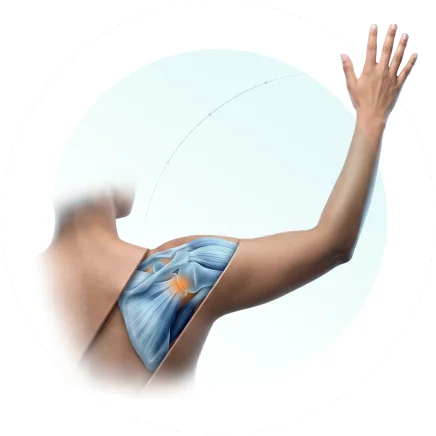
    Arthritis, frozen shoulder, tendon problems, ligament sprains and pain on walking or lifting the arm.

    03

    Rehabilitation After Surgery

    Recovery after joint replacement, ligament repair, spine or fracture surgery, with a graded plan agreed with your surgeon.

    04

    Fracture & Injury Recovery

    Restoring movement, strength and confidence after a fracture, dislocation or accident once the doctor allows.

    05

    Stroke & Paralysis Recovery

    Exercises for movement, balance and walking after stroke or brain injury, with family training for safe care at home.

    06

    Nerve & Movement Problems

    Neuropathy, facial weakness, Parkinson’s disease and other nerve conditions affecting movement or balance.

    04

    Sports Injuries

    Muscle and ligament injuries, with return-to-activity plans and advice on preventing a repeat injury.

    05

    Chest & Breathing Physiotherapy

    Breathing exercises and airway-clearance techniques for chest infection, lung conditions and recovery after major surgery.

    06

    Elderly Mobility & Fall Prevention

    Balance, strength and walking training to help older adults stay independent and reduce the risk of falls.

    About Our Physiotherapy Department in Nagpur

    Physiotherapy helps people move better, feel less pain and regain independence. It uses exercise, movement training, hands-on techniques and education, adapted to each person’s diagnosis and goals.

    At New Delta Hospital, physiotherapy is part of the care pathway rather than a separate service. After joint replacement, spine or fracture surgery, after a stroke, or during recovery from critical illness, your physiotherapist works with the treating doctors so that exercise starts at the right time and at the right level.

    You will be assessed, told what the problem is and what to expect, and given a plan with clear goals. A home programme is taught so that progress continues between visits.

    How Your Physiotherapy Plan Is Decided

    Every plan starts with understanding your problem, not with a fixed set of exercises.


    History & Reports

    Your symptoms, medical history, earlier scans and the surgeon’s or doctor’s advice are reviewed.


    Movement & Strength Tests

    Range of movement, muscle strength, balance and walking are examined.


    Posture & Function

    How you sit, stand, lift and move in daily life is observed to find the source of strain.


    Goal Setting

    Goals such as walking independently, returning to work or playing sport are agreed with you.


    Therapy Methods

    Exercise, manual techniques and, where suitable, therapeutic modalities may be used. The choice depends on your condition.


    Doctor Coordination

    If red-flag signs appear, you are referred back to the doctor for further evaluation.


    Care Teams and Facilities Supporting Your Recovery

    Good rehabilitation needs the whole team. Your physiotherapist can draw on the hospital’s specialists and services, subject to each patient’s clinical needs.

    Orthopaedic & Joint Replacement Rehab

    Planned rehabilitation after knee or hip replacement, ligament reconstruction, fracture fixation and spine surgery, in line with the surgeon’s protocol.

    Early mobilisation and structured exercise after stroke, head injury or spine surgery, coordinated with neurology and neurosurgery.

    For patients recovering from critical illness or major surgery, early movement and breathing exercises are planned with the treating team.

    Physicians, diabetologists, cardiologists, pulmonologists and other specialists can advise on safe levels of exercise for patients with other conditions.

    If a problem arises during recovery, the hospital’s emergency department and in-house pharmacy are available round the clock.

    Preventing Recurrence and Staying Independent

    Recovery does not end when the sessions finish. Posture, strength and everyday habits all influence whether pain returns, so your physiotherapist will explain how to protect your joints, spine and muscles in the long run.


    Progress differs from person to person and depends on the diagnosis, age and overall health. Your physiotherapist will set realistic goals and review them with you.

    Meet Our Physiotherapy Team

    Consult our physiotherapists at New Delta Hospital, Nagpur for assessment and a personalised rehabilitation plan.


    Frequently Asked Questions
    1. What is physiotherapy and who needs it?

    Physiotherapy uses exercise, movement training, manual techniques and education to relieve pain, restore movement and improve function. It helps people with back or neck pain, joint problems, sports injuries, recovery after surgery or fracture, stroke or nerve problems, breathing problems and age-related stiffness or balance issues.

    A referral from your treating doctor is helpful, especially after surgery, a fracture, stroke or if you have other medical conditions, so that the physiotherapy plan is safe for you. If you are unsure, book a consultation and the doctor will guide you.

    The number of sessions depends on your diagnosis, how long you have had the problem, your age and general health, and how you respond. Your physiotherapist will assess you, set goals and review progress regularly, and will explain the expected duration of your plan.

    Treatment is planned to be tolerable. You may feel some stretching or muscle soreness after exercise, but you should tell your physiotherapist if anything hurts more than expected so that the plan can be adjusted.

    The timing depends on the type of surgery or illness and is decided by your treating doctor. In many cases early, gentle movement and breathing exercises begin in hospital, with the programme progressing as you recover.

    Often yes. Exercise, posture correction, manual techniques and advice on daily activities can reduce pain and improve movement in many cases of back and neck pain. If you have weakness, numbness, fever or pain after an injury, see a doctor first.

    New Delta Hospital provides care to in-patients, including those recovering from surgery, injury, stroke or critical illness. Bedside physiotherapy and early mobilisation are planned by the treating team for each patient.

    Wear comfortable, loose clothing that lets you move easily. Bring your previous reports, scans, discharge summary, the doctor’s advice and a list of your medicines.

    Yes. A home exercise plan is usually an important part of treatment. Your physiotherapist will demonstrate each exercise and explain how often to do it and which warning signs mean you should stop and call.

    Use the Book Appointment button on this page, fill in the enquiry form, or call 838 108 1085 / 838 108 1086. OPD hours are 9:00 AM to 9:00 PM.

    Pain or stiffness limiting your movement?

    Speak to our team at New Delta Hospital, Nagpur to understand your condition and the rehabilitation options available.

     
    Prev
    Next

    Share Profile Via